Get Connected
Subscribe to our e-newsetter and get the latest information delivered straight to your inbox.
Press Releases
Committee on Small Business Holds Hearing on the Threat of Rising Crime on Main Street
Washington,
December 2, 2025
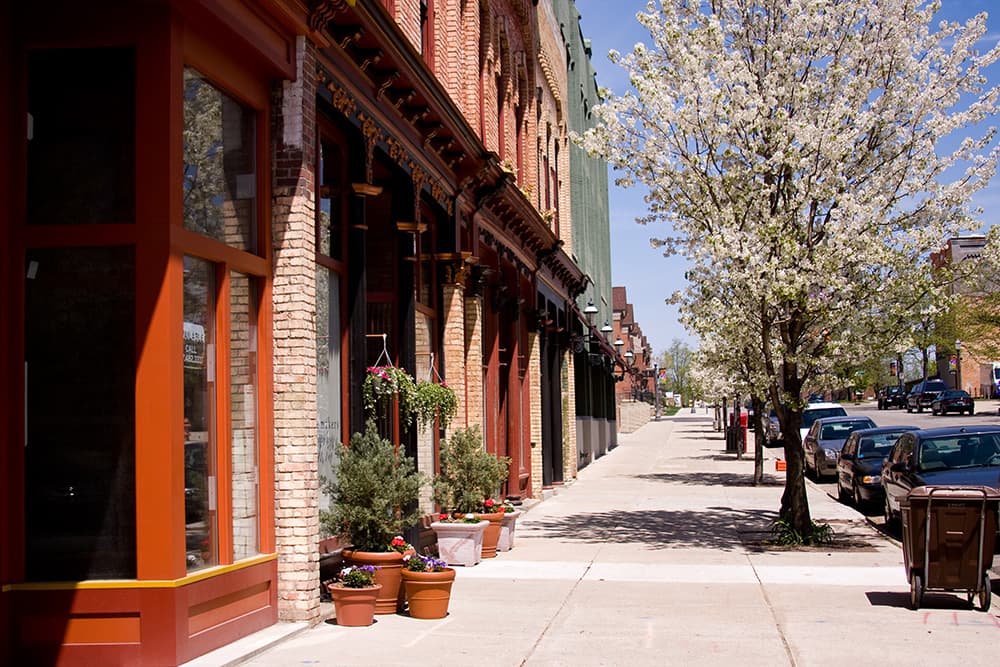
WASHINGTON, D.C. – Today, Congressman Roger Williams (R-TX), Chairman of the House Committee on Small Business, held a hearing titled “Main Street Under Attack: The Cost of Crime on Small Businesses” to examine the impact of rising crime on small business success. “Main Street is under attack because of Democrats and the previous Administration’s soft-on-crime agenda,” said Chairman Williams. “The rise of violent crime, retail theft, and cyberattacks is hitting America’s small businesses hard, creating uncertainty, raising costs, and driving away customers. This Committee is proud to work with President Trump and House Republicans to reverse the dangerous policies of the far Left and restore law and order to our cities.” --- Watch the full hearing here. Below are some key excerpts from today’s hearing: Chairman Williams: “Ms. Plaggemier, over the past few years, we’ve watched foreign adversaries infiltrate American networks, stealing sensitive data, intellectual property, and even penetrating the state’s Army National Guard system. So how do these large-scale, cyber attacks indirectly affect small businesses like mine and others?” Ms. Plaggemier: “I think cybersecurity has turned into a kind of tax that we all pay through ransomware attacks and just the cost of protecting yourself. This has a sort of trickle-down effect on us as consumers, I think, because it causes prices to go up. The biggest problem that we see with small businesses is just getting their attention. They’re very, very busy places, and cybersecurity is intangible. Protecting your business from physical theft is very different. It’s much more tangible. You can see it. You can’t see a malware infection stealing information on your device, and so I think a lot of small businesses just don’t give it the priority that it needs until it’s actually too late—until they have been affected.” Rep. Stauber: “From what you’re hearing from small businesses across the country, how have soft-on-crime policies like cashless bail, raised felony thresholds, and lax prosecution changed their day-to-day reality?” Mr. Wickham: “As I said earlier, we really look at this on a district or jurisdiction-by-jurisdiction basis. The criminal elements that we’re dealing with are very sophisticated, and they are hitting the areas where they know they will not be prosecuted. So, we’ve been working with individual units of government, whether to be organized and coordinated.” Rep. Stauber: “When they are not prosecuted, though, what does that do to the small businesses in the community? When the owners know that they can steal 300 dollars or 450 dollars worth of product, and the 500-dollar threshold is there, what does that do to the small business owner?” Mr. Wickham: “It’s extremely demoralizing. The lack of prosecution results in repeat offenders we hear about time and time again, whether it's Mr. Hrag being hit 35 times or big box retailers being hit 600 times. This is a message that gets out there amongst the criminal network. We’re working very hard to change the laws in all the states to allow aggregation, so they’re not allowed to hit these stores just below the felony limit and then do so repeatedly. We would like to work with this Committee to ensure that all the states allow for aggregation of prosecution.” Rep. Wied: “Your father always taught you that incentives drive behavior, and that couldn’t be more true. Show me the incentive, and I’ll show you the outcome. Right now, our incentives tell people that crime pays and accountability doesn’t. I’d like to hear from you here today, as a small business owner, you face the onslaught of theft from a repeat offender—and I did as well. What impact have you seen on people willing to come into your store, based on your experiences?” Mr. Kalebjian: “That specifically hasn’t been as big because we do have a really, really tight community. But what the impact has done: more on me and my staff feeling hopeless, feeling unsafe, and sad. You know, the conversations, instead of being, ‘it was busy today’ or ‘that customer came by and said hi,’ it was more of conversations like, Stanley came in again. This time, he dropped the tip jar. We’ve got to replace it.’ Those kinds of negative comments were impacting my retail side of the business as opposed to the customers because they were supporting us throughout it.” ### |